How Suitable Are Vertical Mast Lifts for Warehouse Work?
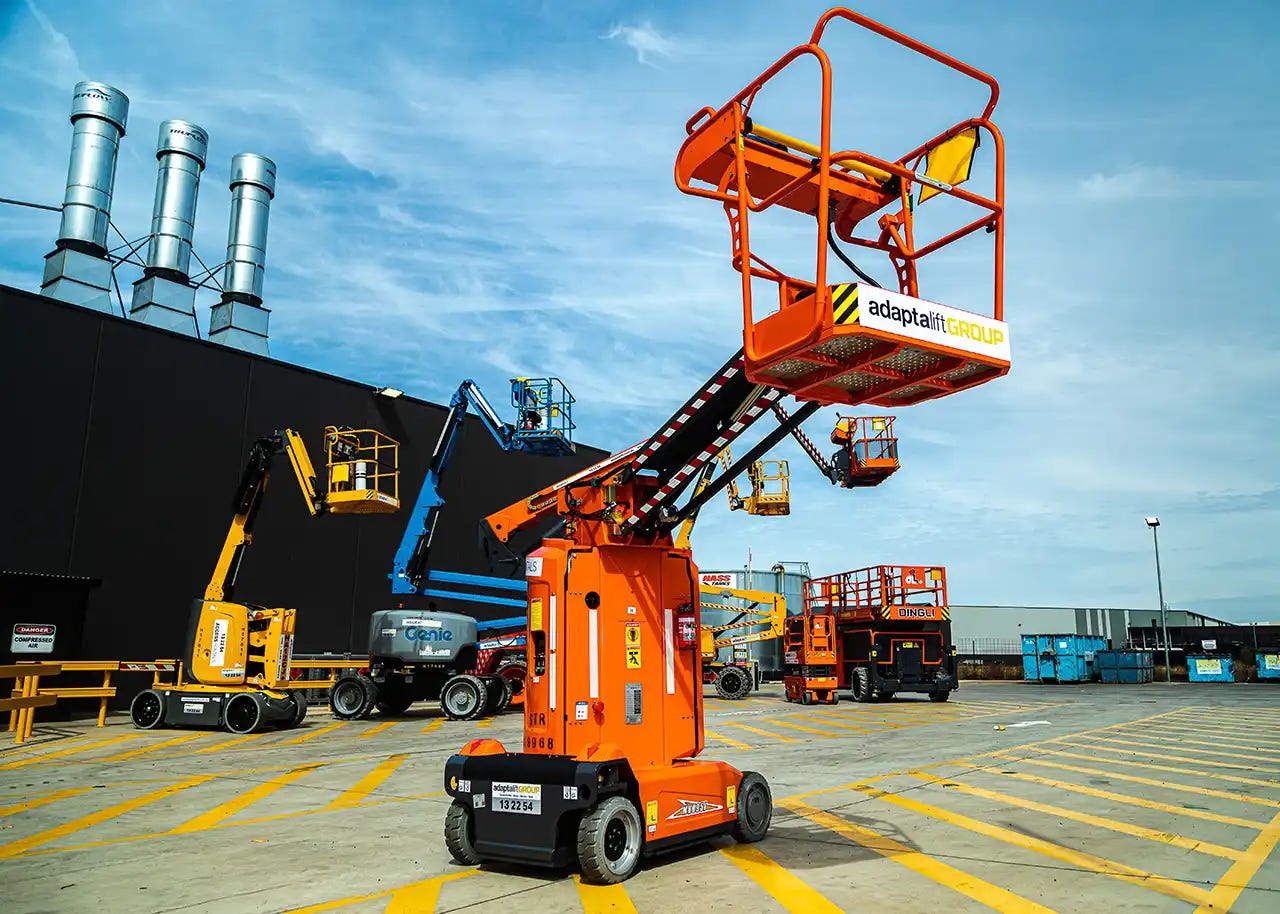
Warehouses require efficient, safe, and space-saving equipment to manage daily operations smoothly. Workers often need access to elevated shelves for order picking, stock replenishment, and maintenance tasks. Traditional ladders and bulky lifting equipment can slow down productivity and increase safety risks. This is where vertical mast lifts provide a practical solution. Their compact design and smooth lifting mechanism make them ideal for indoor environments. This article explores whether vertical mast lifts are truly suitable for warehouse operations.
What Is a Vertical Mast Lift?
A vertical mast lift is a compact aerial work platform designed to lift one operator vertically to elevated heights. It consists of a single mast column that extends upward, supporting a small platform for the worker. Unlike larger lifting machines, it focuses on vertical movement rather than horizontal outreach. These lifts are usually electric-powered, making them suitable for indoor use. They are commonly used in warehouses, retail stores, and maintenance facilities. Their design emphasizes maneuverability and ease of operation.
How Vertical Mast Lifts Improve Warehouse Efficiency
Compact Design for Narrow Aisles
One of the biggest advantages of vertical mast lifts is their slim structure. Warehouses often have tight aisles between racks, and large equipment cannot easily pass through them. The narrow base of these lifts allows operators to move smoothly in confined spaces. This reduces the need to rearrange inventory or widen aisles. Their compact footprint improves workflow without disrupting storage layouts. As a result, productivity increases while maintaining warehouse organization.
Quick Elevation for Picking Tasks
Vertical mast lifts provide fast and controlled vertical movement, which is essential for order picking. Workers can quickly raise and lower the platform to access different shelf levels. This saves valuable time compared to repeatedly climbing up and down ladders. The smooth lifting mechanism reduces physical strain on employees. Faster access to products means quicker order fulfillment. Over time, this contributes to higher operational efficiency.
Easy Indoor Operation
Most vertical mast lifts are electrically powered, producing zero emissions during operation. This makes them ideal for indoor warehouses where air quality is important. They also operate quietly, minimizing workplace noise. Their non-marking tires protect warehouse flooring. Smooth controls allow precise positioning at required heights. All these features make them perfectly suited for indoor warehouse environments.
Safety Benefits of Vertical Mast Lifts
Stable Elevated Platform
Safety is a top priority in warehouse operations. Vertical mast lifts are equipped with guardrails and secure entry gates. The platform includes anti-slip surfaces to prevent accidental slips. Emergency stop buttons provide immediate control in case of malfunction. Built-in sensors prevent overloading of the platform. These features significantly reduce fall risks during elevated tasks.
Reduced Workplace Injuries
Using ladders frequently can lead to slips, falls, and muscle strain. Vertical mast lifts offer a stable and ergonomic working position. Workers can stand comfortably while performing tasks at height. This reduces fatigue and repetitive climbing injuries. Controlled lifting mechanisms provide smooth elevation. Overall, these lifts contribute to a safer working environment.
Limitations to Consider
Limited Platform Capacity
Vertical mast lifts are primarily designed for one operator and light tools. They do not support heavy materials or multiple workers at once. Compared to scissor lifts, their weight capacity is lower. This makes them unsuitable for heavy-duty material handling. Warehouses dealing with bulky items may require alternative equipment. Understanding this limitation is important before making a decision.
Restricted Outdoor Use
These lifts perform best on flat, stable indoor surfaces. They are not designed for rough terrain or uneven outdoor ground. Wind and harsh weather conditions can affect stability. Outdoor construction sites typically require more robust lifting equipment. Therefore, their application is mainly limited to indoor warehouse environments. Choosing the right environment ensures optimal performance.
Vertical Mast Lift vs Scissor Lift for Warehouses
Vertical mast lifts are smaller and more maneuverable than scissor lifts. Scissor lifts offer larger platforms and higher weight capacities. However, they require more space to operate. In narrow warehouse aisles, vertical mast lifts are often more practical. Scissor lifts are better suited for tasks involving multiple workers or heavier loads. The right choice depends on warehouse layout and operational needs.
Key Warehouse Applications
Vertical mast lifts are widely used for order picking in distribution centers. They help workers access high storage racks safely. Inventory inspections and stock counting become easier with elevated access. Maintenance tasks such as lighting repairs can be performed efficiently. They are also useful for installing signage or handling lightweight materials. Their versatility makes them valuable for daily warehouse operations.
Why Choose FERAQuip?
Choosing the right equipment supplier is just as important as selecting the right machine. FERAQuip provides reliable and well-maintained vertical mast lifts suitable for warehouse operations. Their equipment meets safety standards and undergoes regular inspections. They offer flexible hire options tailored to business needs. Expert guidance helps clients choose the correct lift for specific warehouse requirements. Partnering with a trusted supplier ensures safety, efficiency, and long-term value.
Conclusion
Vertical mast lifts are highly suitable for warehouse operations that require compact, safe, and efficient elevated access. Their slim design makes them ideal for narrow aisles and tight storage layouts. They improve productivity by enabling quick order picking and maintenance work. Although they have limitations in weight capacity and outdoor use, they excel in indoor environments. Warehouses focused on safety and efficiency can greatly benefit from their use. Selecting a reliable supplier further enhances operational success.
FAQs
1. What is the average height of a vertical mast lift?
Most models reach between 6 to 12 meters depending on specifications.
2. Are vertical mast lifts safe for warehouse use?
Yes, they include guardrails, emergency stops, and stable platforms for safe indoor operation.
3. Can vertical mast lifts carry heavy materials?
No, they are mainly designed for one worker and light tools.
4. Do operators need training to use them?
Yes, proper safety training is required before operating any lifting equipment.
5. Are vertical mast lifts cost-effective for small warehouses?
Yes, their compact size and efficiency make them ideal for small to medium warehouse facilities.


Comments
Post a Comment