Forklift Hire vs Buying: When Is Hiring the Better Choice?
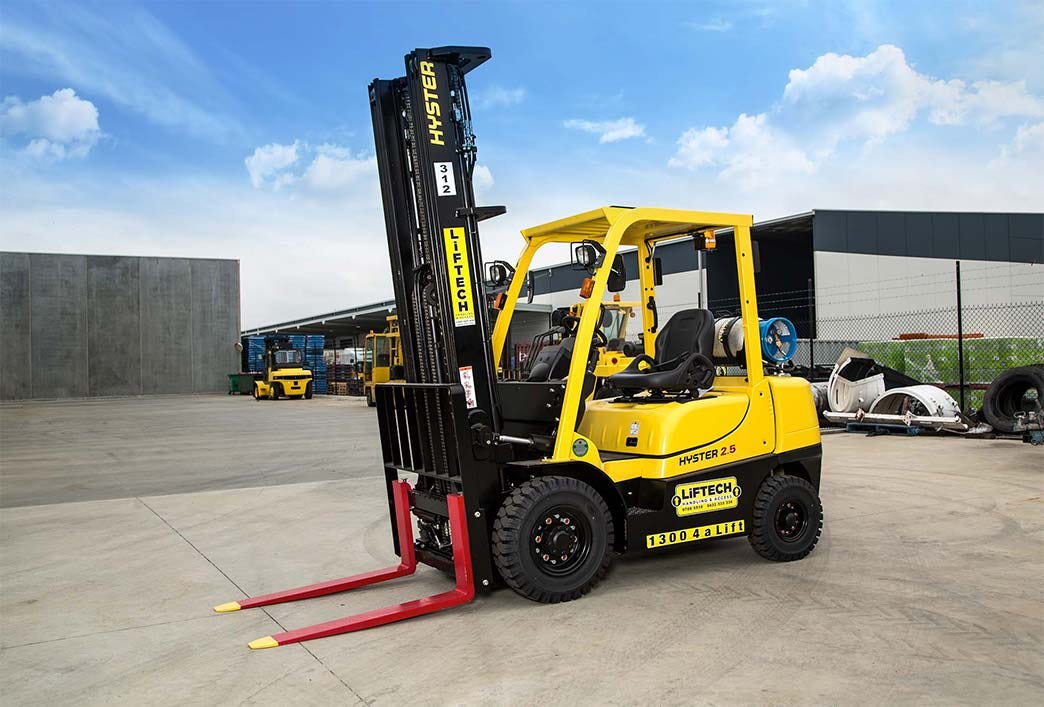
Forklifts play a vital role in lifting, moving, and stacking heavy materials across many industries. However, buying a forklift is a major investment that may not suit every business situation. Many companies struggle to decide whether ownership or rental is the smarter choice. Forklift hire offers flexibility, cost control, and access to modern equipment without long-term commitment. This option is especially useful when needs are temporary or unpredictable. Understanding when forklift hire makes sense can help businesses operate more efficiently and avoid unnecessary expenses.
Understanding Forklift Hire
Forklift hire allows businesses to use lifting equipment for a specific period without purchasing it outright. Hire options range from daily and weekly rentals to long-term agreements lasting several months. Companies can choose from electric, diesel, LPG, rough terrain, or warehouse forklifts based on job requirements. The hire provider usually handles servicing, inspections, and breakdown support. This arrangement reduces ownership responsibilities and risks. Forklift hire is designed to give businesses flexibility while maintaining operational efficiency.
When Your Business Needs Forklifts for Short-Term Projects
Short-term projects often do not justify the cost of purchasing a forklift. Construction projects, warehouse reorganizations, or temporary contracts may only require equipment for a limited time. Hiring allows businesses to access the right forklift exactly when it is needed. Once the project ends, the equipment can be returned without ongoing costs. This prevents forklifts from sitting idle and wasting resources. Forklift hire is ideal for businesses managing temporary or project-based workloads.
When Capital Budget Is Limited
Buying a forklift requires a significant upfront investment that can strain business finances. For small or growing businesses, preserving capital is often a priority. Forklift hire spreads costs into manageable rental payments rather than one large expense. This allows funds to be used for core activities such as staffing, inventory, or expansion. Rental costs are predictable and easier to budget for. Hiring helps businesses stay financially flexible without compromising productivity.
When Maintenance and Repair Costs Are a Concern
Forklift ownership comes with ongoing maintenance, servicing, and repair responsibilities. Unexpected breakdowns can lead to costly repairs and operational downtime. With forklift hire, maintenance is typically included in the rental agreement. Hire providers ensure equipment is serviced, inspected, and compliant with safety standards. This reduces stress for business owners and managers. Forklift hire ensures reliable performance while minimizing maintenance-related risks.
When You Need Access to the Latest Equipment
Forklift technology continues to evolve with better safety features and improved efficiency. Purchasing equipment may lock businesses into outdated models over time. Hiring allows access to modern forklifts with advanced controls and safety systems. Businesses can upgrade equipment as needs change without worrying about resale value. This ensures higher productivity and safer operations. Forklift hire keeps businesses competitive with up-to-date machinery.
When Your Business Has Fluctuating Workloads
Many businesses experience seasonal peaks and quiet periods throughout the year. Owning forklifts during low-demand periods can result in unused assets. Forklift hire allows companies to scale equipment usage up or down as required. Extra forklifts can be hired during busy seasons and returned when demand drops. This flexibility helps control costs and maximize efficiency. Hiring is especially useful for industries with variable workloads.
When Storage and Space Are Limited
Storing forklifts requires secure and spacious facilities. Businesses with limited warehouse or yard space may struggle to accommodate owned equipment. Forklift hire eliminates long-term storage concerns once the equipment is no longer needed. This keeps workspaces organized and free from unnecessary clutter. Reduced storage needs also lower security and insurance costs. Hiring forklifts is a practical solution for space-constrained operations.
When Compliance and Safety Requirements Matter
Forklifts must meet strict safety and compliance standards to operate legally. Managing inspections, certifications, and regulatory requirements can be time-consuming. Hire providers ensure forklifts are fully compliant and regularly inspected. This reduces the risk of safety violations and workplace accidents. Businesses can operate with confidence knowing equipment meets industry standards. Forklift hire simplifies compliance and enhances workplace safety.
Forklift Hire vs Buying: A Quick Comparison
Forklift hire offers flexibility and lower upfront costs compared to buying. Ownership may suit businesses with constant, long-term usage needs. Hiring reduces responsibility for maintenance, storage, and depreciation. Buying may offer long-term value but ties up capital and resources. Each option has advantages depending on usage patterns. Businesses should evaluate cost, flexibility, and operational needs before deciding.
Industries That Benefit Most from Forklift Hire
Forklift hire is widely used in construction, warehousing, logistics, and manufacturing. Retail and distribution businesses benefit during seasonal demand spikes. Event management companies often need forklifts for short-term setup and dismantling. Agricultural and industrial sectors use hired forklifts for specific tasks. Hiring supports diverse operational needs without permanent investment. Many industries rely on forklift hire to remain agile and cost-effective.
Key Factors to Consider Before Hiring a Forklift
Businesses should assess load capacity and lift height requirements carefully. Indoor or outdoor usage determines the type of forklift needed. Hire duration plays a key role in choosing short-term or long-term rental plans. Operator training and licensing must be considered for safe operation. Site conditions and terrain also affect forklift selection. Evaluating these factors ensures the right equipment is hired for the job.
Why Choose FERAQuip?
FERAQuip is a trusted provider of high-quality forklift hire solutions for businesses across industries. Their fleet includes modern, well-maintained forklifts designed for safety and efficiency. FERAQuip handles servicing, inspections, and compliance, reducing operational burdens for clients. Flexible hire plans allow businesses to scale equipment according to demand. Expert guidance ensures customers select the right forklift for their needs. Choosing FERAQuip means reliability, performance, and peace of mind.
Conclusion
Forklift hire is the best option when flexibility, cost control, and short-term usage are priorities. It allows businesses to avoid high upfront costs and maintenance responsibilities. Hiring also provides access to modern, compliant equipment tailored to specific projects. From fluctuating workloads to limited storage space, forklift hire solves many operational challenges. Partnering with a reliable provider like FERAQuip ensures smooth and efficient operations. Evaluating your business needs will help determine if forklift hire is the right choice.
FAQs
1. Is forklift hire cheaper than buying?
Forklift hire is usually more cost-effective for short-term or variable usage needs.
2. Does forklift hire include maintenance?
Yes, most hire agreements include servicing, inspections, and repairs.
3. Can I hire a forklift for long-term use?
Yes, long-term hire options are available for extended projects or operations.
4. What types of forklifts can be hired?
Electric, diesel, LPG, warehouse, and rough terrain forklifts are commonly available.
5. Why should I choose FERAQuip for forklift hire?
FERAQuip offers reliable equipment, flexible plans, and expert support.


Comments
Post a Comment